Brain adaptability, commonly defined as the nervous system’s capacity to change its structure and function in reaction to external stimuli, learning, or injury, represents a core principle in contemporary clinical science. For decades, researchers believed that the brain ceased growth after childhood. Yet, extensive scientific investigation has confirmed that the brain retains the ability to create additional neural pathways throughout adulthood. This adaptive capacity allows the brain network to reorganize itself after damage caused by cerebrovascular events, head trauma, or neurological disorders. Recognizing neuroplasticity has become a central focus in clinical rehabilitation because it provides a evidence-based framework for recovery and observable progress.
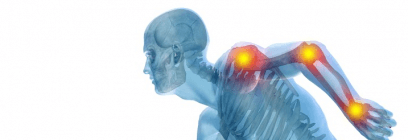
When an insult affects the brain or neural structures, certain neural connections may be weakened or damaged. Through structured therapy and repeated training, new neural circuits can develop to compensate for impaired areas. This process is known as cortical remapping. Rehabilitation specialists use evidence-based interventions such as physical therapy, occupational therapy, and communication therapy to stimulate this restorative process. Repetition, goal-directed exercises, and movement re-education strategies are key elements that promote the formation of stronger brain pathways. Over time, ongoing therapeutic exercises can enhance movement ability, mental performance, balance, motor coordination, and communication abilities.
The principle of brain plasticity also plays an significant role in cognitive rehabilitation. Individuals recovering from conditions such as brain injury or traumatic brain injury may experience challenges with memory, attention, and executive functioning. Cognitive training programs additional reading are developed to support higher-level thinking skills and cognitive processing through systematic mental exercises. Activities that involve attention control, memory exercises, and problem-solving strategies help activate less active areas of the cerebral cortex. As these neural circuits are repeatedly engaged, they become increasingly responsive, supporting gradual progress in everyday performance and independence.
In addition to traditional therapies, advanced technologies are expanding the implementation of brain adaptability strategies in clinical environments. Virtual reality systems, robot-supported rehabilitation, and noninvasive brain stimulation such as transcranial magnetic stimulation are being integrated into clinical protocols. These specialized tools provide controlled, measurable, and interactive ways to deliver repetitive therapy. For example, assistive robotic systems can support motor activity to reinforce proper movement patterns, while virtual environments simulate real-world activities that promote functional recovery. Such technologies increase patient motivation and provide valuable performance data, which further supports neural change.
The expanding understanding of brain adaptability has redefined how healthcare professionals approach recovery. Rather than focusing only on adjusting to functional deficits, rehabilitation now emphasizes functional restoration through active engagement and intentional training. Timely treatment, personalized care strategies, and active involvement are essential factors in achieving successful results. By leveraging the science of neuroplasticity, clinicians can design therapeutic programs that are grounded in clinical sports injury recovery evidence and supported by documented outcomes. This evolution in clinical approach offers greater opportunity for individuals facing complex neurological conditions and highlights the brain’s proven ability for functional change and growth.